
What Does “Passivhaus” Mean?
Passivhaus (or Passive House) is a globally recognised standard for ultra-low energy buildings that achieve exceptional comfort using minimal heating and cooling. The standard demands high levels of insulation, airtight construction, high performance windows, thermal bridge free building methods and mechanical ventilation with highly efficient heat recovery.
Based on figures from the Passive House Institute, buildings that meet this standard can reduce space heating needs by over 75% compared to average new builds, and up to 90% compared to older homes.
Why Choose to Build a Passivhaus?
Outstanding Energy Savings
Passivhaus buildings drastically cut energy consumption, offering long-term cost benefits.
Future-ready Design
This building method supports net-zero targets, making buildings sustainable for the longer term.
Exceptional Comfort
Consistent indoor temperatures with fresh, filtered air ensure healthier living environments.
High Quality Assured
Certified Passivhaus buildings undergo rigorous third-party testing via the Passivhaus Planning Package (PHPP).
The Path to Passivhaus Certification
Achieving Passivhaus quality means meeting performance standards, designed and measured using PHPP modelling. In the UK, the Passivhaus Trust promotes this type of construction and holds regular training events.
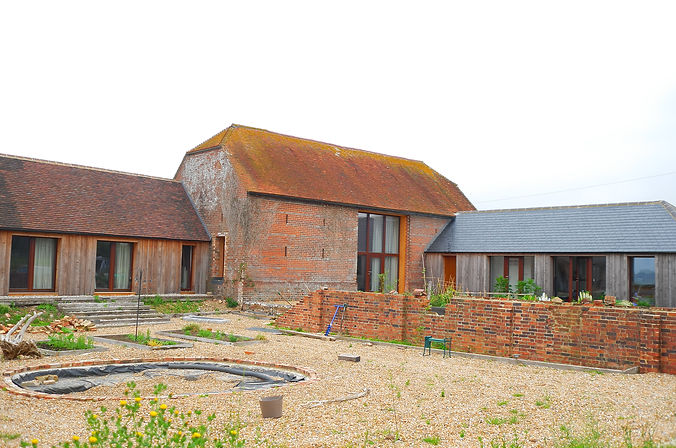
There are several certification tiers:
-
EnerPHit – a slightly relaxed standard for retrofitting an existing building where certain aspects are limited.
-
Classic Passivhaus - the standard benchmark.
-
Passivhaus Plus and Premium - higher tiers that incorporate renewable energy generation alongside Passivhaus design principles.
Building a Passivhaus with Richard Clayson Ltd
As a Certified Passivhaus Consultant, Richard brings both professional surveying expertise and real world experience to every project. Whether you are planning a new build, retrofit or low-energy renovation, he can support you through every stage of the process.
-
Early-stage design guidance - Align layout, insulation, orientation and materials with Passivhaus principles.
-
PHPP modelling - Accurately assess energy demands, thermal performance and compliance through specialist design tools.
-
Technical specification support - Advise on all aspects including windows, doors, airtight detailing, mechanical ventilation with heat recovery (MVHR) and reducing thermal bridging.
-
Certification readiness - Prepare your design and documentation to meet Passivhaus standards.
Working with Richard means you benefit from a Passivhaus Consultant who combines extensive surveying skills with low-energy building experience. He can offer practical advice, avoiding common pitfalls and ensuring your home not only meets the Passivhaus standard but is also practical, buildable and suited to your lifestyle.
Benefits of Passivhaus
Choosing to build to the Passivhaus standard offers advantages that go well beyond the energy savings. These include:
-
Dramatically reduced heating and cooling costs.
-
Consistent indoor comfort throughout the year.
-
Healthier indoor air with controlled ventilation and filtration.
-
Resilient, future-proof design that supports net-zero living.
-
Increased property value due to the many positive features of a Passivhaus and the reputation of meeting the high standards of certification.
These benefits make Passivhaus an attractive choice for homeowners and developers alike. Working with Richard means you gain not only these advantages, but also the reassurance of guidance from a trusted consultant who has achieved Passivhaus excellence in practice.
Get in Touch
Ready to find out more about building a Passivhaus? Richard can bring your vision to life with expert guidance, accurate modelling and certification support.